
.jpg?width=48&height=48&name=Dylan%20Polz%20(new).jpg)
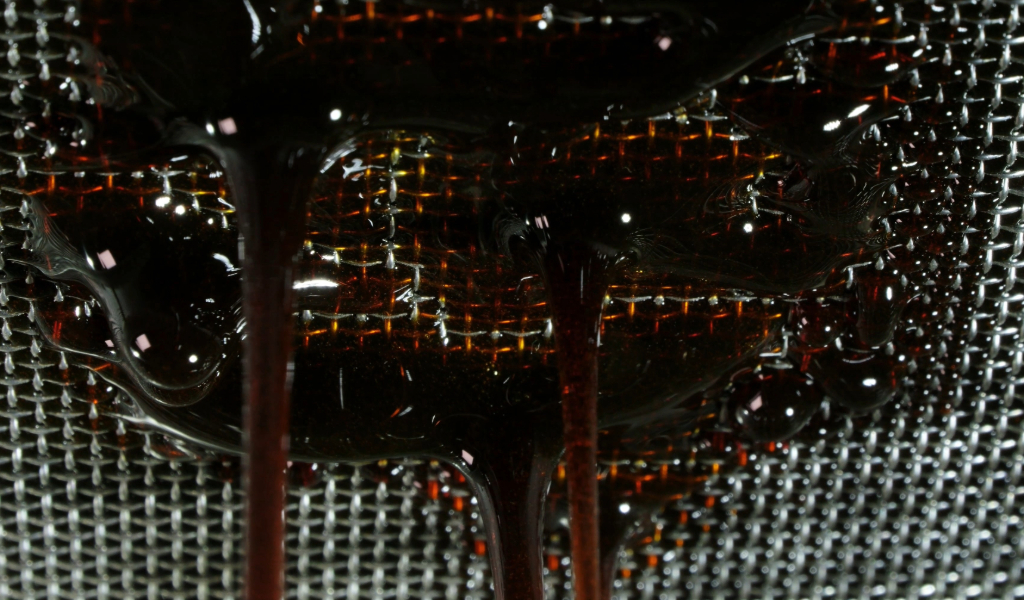
Downhole completion tools, artificial lift systems, and subsurface safety valves operate under extreme mechanical stress, elevated temperatures, and corrosive fluid environments. In these harsh completion zones, precise fluid filtration is not merely a maintenance preference but is a critical line of defense for maintaining production continuity.
When particulate debris bypass downhole filtration barriers, the resulting mechanical damage triggers rapid operational failure. A single valve failure or plugged control line can choke production rates or force an emergency shut-in. Intervening in deepwater or high-pressure wells to remediate solids-induced failures requires heavy workover rigs and specialized wireline or coiled tubing crews, driving operational costs exceptionally higher than the initial cost of the filtration assembly.
At HAVER & BOECKER, our engineering of products such as POROSTAR wire mesh laminates addresses these extreme wellbore challenges. By diffusion-bonding multiple layers of precision-woven stainless steel wire mesh into a rigid, monolithic structure, we provide filtration media that maintains exact pore sizes under extreme differential pressures without media migration or structural deformation.
This article explores the financial consequences of downhole contamination, examines common solids threats and silent filter failures, details the mechanical advantages of POROSTAR wire laminates, and demonstrates how advanced filtration fits into reliability-centered maintenance strategies.
The True Financial Impact of Downhole Contamination Shutdowns
Unplanned well shutdowns caused by particulate contamination represents one of the most expensive operational risks in oil and gas production.
When downhole tools such as autonomous inflow control devices (AICDs), subsurface safety valves (SSSVs), or electric submersible pumps (ESPs) become fouled or eroded by circulating solids, the financial consequences extend far beyond simple component repair and include:
- Deferred Production Revenue: Shutting in a high-tonnage or high-flow well instantly halts cash flow, deferring oil and gas delivery and disrupting field production targets.
- Capital-Intensive Interventions: Mobilizing offshore workover vessels or onshore snubbing units to pull damaged tubing strings and replace clogged tools frequently incurs millions of dollars in direct service fees.
- Secondary Formation Damage: When filtration elements collapse or bypass, recirculating drill solids and proppant fines penetrate surrounding formation pores, causing permanent damage and permanently impairing reservoir permeability.
Evaluating downhole filtration strictly as a low-cost commodity component ignores these massive financial downside risks.
Investing in engineered, high-integrity filtration media acts as an operational insurance policy that protects high-value completion hardware throughout the well lifecycle.
Identifying Common Contaminants and Hidden Filtration Failures
Protecting subsurface completions requires understanding the physical nature of downhole particulates and recognizing how conventional filter media fail during continuous operation.
Wellbore fluids transport a diverse mix of abrasive solids. Formation sand, crushed ceramic proppant fines, scale deposits, pipe heavy rust, and drill cuttings continuously migrate through production channels.
Under high fluid velocities, these hard, angular particulates act like abrasive slurry, scouring internal valve seats and plugging narrow hydraulic flow paths.
Read the article below to discover more about how particulates can affect your systems process and require a specialized approach:
A major challenge in downhole filtration is that conventional filter failures frequently occur without obvious initial surface indicators such as:
- Pore Channel Distortion Under Differential Pressure: Single-layer wire screens or fibrous media lack structural rigidity. Under high differential pressures, unsupported wires shift and stretch, widening nominal apertures and allowing oversized abrasive particles to pass downstream.
- Fatigue Fracturing from Dynamic Flow Pulsations: Cyclic pressure surges and turbulent flow cause unsupported wire strands to flex repeatedly, leading to work-hardening and fatigue cracking along the mesh structure.
- Media Migration and Downstream Contamination: Non-metallic or lightly bonded filter materials can shed fibers or metal fragments when exposed to aggressive downhole chemicals and thermal cycling, inadvertently becoming a source of contamination themselves.
- Silent Channeling and Bypassing: When media plug unevenly, fluid concentrates through remaining open passages, creating localized high-velocity jets that cut channels through the filter layer and allow unfiltered fluid to bypass the barrier entirely.
Because these structured degradation mechanisms happen deep within the wellbore, operators typically discover the failure only after downstream tools malfunction.
Leveraging POROSTAR for Process Stability
Eliminating silent filter failure requires filtration media engineered specifically to withstand extreme mechanical loading, thermal expansion, and fluid shear.
POROSTAR wire mesh laminates solve these structural vulnerabilities through advanced diffusion bonding.
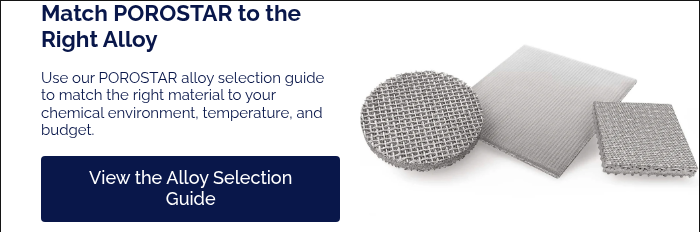
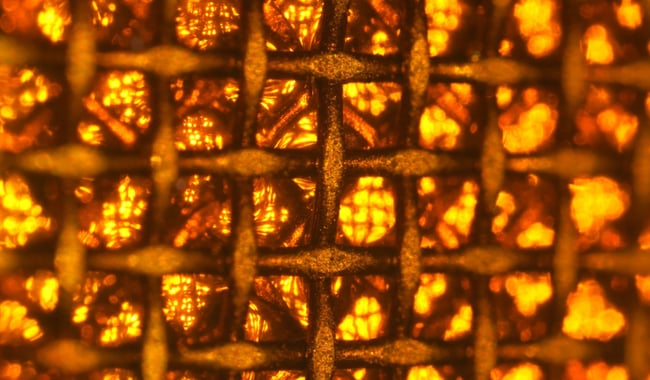
Manufactured by layering multiple sheets of precision-woven wire mesh, which includes fine filtration layers, protective shroud layers, and heavy structural support layers, POROSTAR is sintered under heat and pressure to permanently bond every wire contact point.
This solid-state metallurgical weld creates a monolithic, highly porous plate with fixed pore geometry.
This multi-layer laminate construction delivers unique operational benefits for downhole tools:
- Zero Media Migration: Diffusion bonding locks every wire in place, guaranteeing that individual strands cannot shift, untwist, or break loose into the fluid stream under heavy vibration.
- High Differential Pressure Tolerance: The integral structural support layers allow POROSTAR filter elements to resist extreme pressure surges without collapsing or altering specified micron ratings.
- Predictable Permeability and Backwashing: Smooth, controlled pore channels provide low flow resistance and excellent permeability, while allowing effective fluid backflushing during cleanout procedures.
- Corrosion and Thermal Resistance: Fabricated in corrosion-resistant alloys including 316L, Alloy 20, Hastelloy, and Inconel, POROSTAR maintains its mechanical strength with hydrogen sulfide (H2S), carbon dioxide (CO2), and high-temperature downhole environments.
Integrating Advanced Filtration into Reliability-Centered Maintenance
Transitioning from reactive well intervention to proactive reliability-centered maintenance relies on controlling fluid cleanliness at every stage of completion and production. Specifying robust, diffusion-bonded filtration elements ensures that subsurface tools remain fully operational throughout their intended design life.
Engineered sintered wire mesh laminates eliminate the structural weakness that cause standard filters to deform, burst, or bypass. By maintaining sharp cut-off ratings and resisting heavy mechanical loads, high-performance media protects sensitive downhole valving, minimizes workover frequencies, and stabilizes total well production.
At HAVER & BOECKER, our technical team custom-engineers POROSTAR sintered wire cloth panels, tubes, and complex filter geometries to match precise downhole tool specifications. By combining advanced metallurgical weaving with precision sintering technology, we provide completion engineers with the filtration reliability needed to protect bottom-line production in demanding oil and gas operations.
Check out our article below to learn more about the strengths of custom manufactured filtration: