.jpg?width=48&height=48&name=Dylan%20Polz%20(new).jpg)
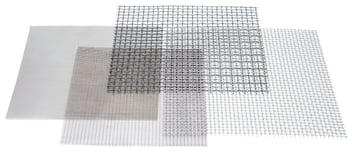
In sand-producing hydrocarbon reservoirs, managing formation solids is a primary requirement for maintaining well productivity and protecting downhole completion strings. When formation sand migrates into the production tubes, it quickly accelerates mechanical wear on subsurface safety valves, erodes electrical submersible pumps (ESPs), and causes severe downhole plugging. Historically, operators viewed downhole sand control screens through the lens of initial capital expenditure, often opting for low-cost slotted liners or basic wire-wrapped pipes to minimize upfront procurement expenses. However, evaluating sand control hardware purely on initial purchase price overlooks the true long-term economics of well completion.
The harsh environment of a downhole production tube presents a brutal combination of high differential pressures, thermal cycling, heavy mechanical installation stress, and aggressive chemical exposure from hydrogen sulfide, carbon dioxide, and high-salinity brine. Selecting lower-tier or structurally weak screen media under these conditions frequently leads to catastrophic downhole failure modes, including localized hot-spot erosion, pore completion, media collapse, or severe clay and scale plugging. When a sand screen fails thousands of feet below the surface, the resulting non-productive time, which is usually driven by lost production, expensive rig interventions, and complete well workovers, dwarfs any initial savings achieved during procurement.
At HAVER & BOECKER, our over 135 years of industrial weaving experience have shown us that optimizing downhole value starts with precision engineering at the pore level. We design robust, structurally stable filtration media, such as POROSTAR multi-layer sintered wire mesh, specifically engineered to withstand the extreme mechanical and chemical demands of downhole sand control. By bonding support, drainage, and fine filtration layers into a unified metallic structure, we help operators secure stable flow paths, eliminate sand ingress, and protect critical completion assets throughout the entire lifecycle of the well.
This article will examine how evaluating total cost of ownership, fatigue resistance, and cleanability can transform downhole sand control from an unpredictable operating expense into a long-term yield protection strategy.
Rethinking Downhole Sand Control Procurement Costs
Evaluating downhole sand control options solely on initial line-item procurement cost creates a false sense of economy. Traditional commodity solutions like slotted liners or simple slip-on wire-wrapped screens carry lower upfront price tags, making them tempting choices during initial field development budgeting.
However, these basic configurations lack the structural reinforcement and pore geometry control necessary for long-term sand retention in severe, high-drawdown, or unconsolidated reservoirs.
When low-cost screens encounter fine particulates, clays, or scale build-up downhole, differential pressure across the tube wall spikes rapidly. In loose or single-layer media, this sudden pressure load causes pore compaction, pinching off fluid passage and severely restricting production rates.
Conversely, if high-velocity sand particles blow through weak screen openings, the resulting abrasive jetting creates localized erosion holes, which are commonly known as “hot spots”. Once a hot spot forms, the screen loses sand retention entirely, allowing formation solids to pour into the completion string and destroy downstream rotating equipment.
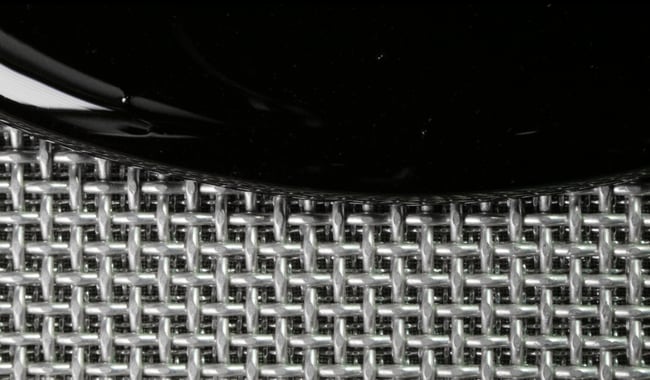
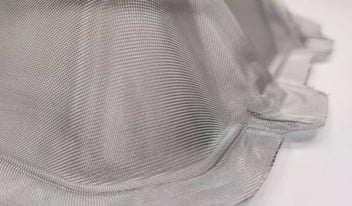
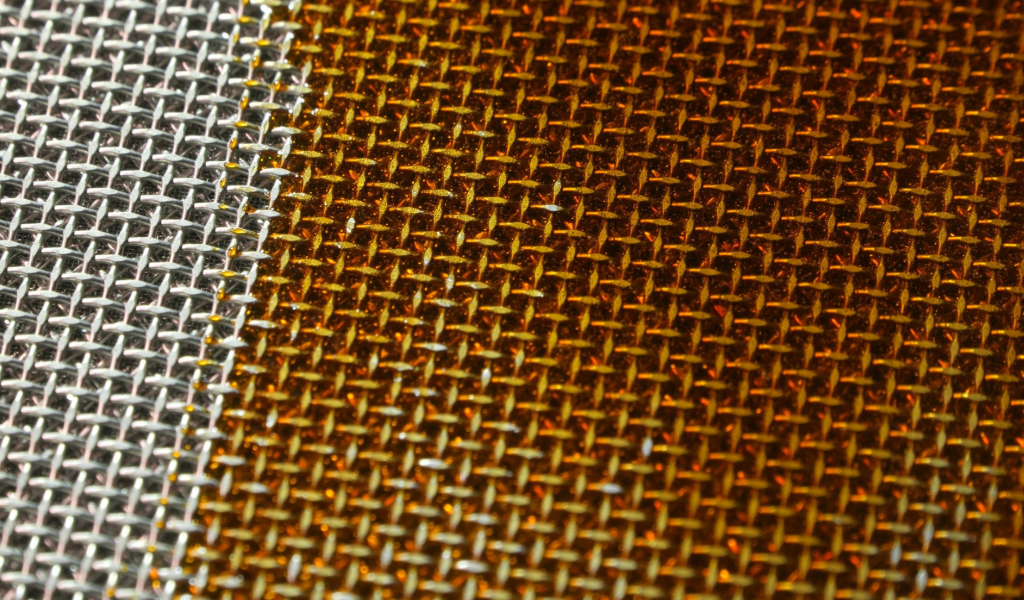
In contrast, engineered metallic media like POROSTAR sintered mesh tubes utilize a multi-layer duo-sintering design to decouple structural strength from micron retention. Configured in multiple layer structure options, it maintains fixed, unyielding pore geometries even under high differential pressures.
Material selection further differentiates long-term performance from initial cost. While 316L stainless-steel provides adequate corrosion resistance in mild environments, severe downhole service containing elevated carbon dioxide, hydrogen sulfide, and hot chlorides requires superior metallurgy.
Utilizing nickel-iron-chromium alloys like Alloy 20 helps to prevent pitting, stress-corrosion cracking, and intergranular attack downhole. Though high-alloy, diffusion-bonded wire mesh laminates carry a higher initial purchase price, they eliminate early media degradation and screen collapse, insuring the operator against the astronomical costs of premature well failure.
Extending Tube Lifespan Through Superior Fatigue Resistance
Downhole sand control screens face severe mechanical forces long before production ever begins. Pushing long completion assemblies through tight casing windows or extended-reach horizontal wellbores exposes screen tubes to high bending moments, torsional friction, and heavy axial loads.
In incomplete gravel packs or open-hole horizontal completions, void spaces in the annulus leave the screen unsupported, concentrating formation compaction stress directly onto the tube exterior.
Standard single-layer screens or pre-packed media often deform or fracture under these installation loads. Thermal cycling during production further compounds the problem, causing thermal expansion and contraction that stresses welded joints and loosens wrapped wires. When a screen deforms, its uniform pore spacing expands or buckles, creating paths of least resistance where sand jetting immediately begins.
Want to understand how these specific particulate threats directly impact the mechanical lifespan of your downstream pump, valves, and rotating assets? Check out our article below to learn more:
Engineered multi-layered wire mesh laminates such as POROSTAR solve these structural vulnerabilities by fusing every wire crossing point into a solid, monolithic metallic matrix through high-temperature sintering. Formed and welded into robust sections, POROSTAR acts as a structural pressure vessel that delivers key mechanical advantages downhole such as:
- Erosion Mitigation: The rigid, fixed pore network prevents individual wires from shifting under localized high-velocity fluid flow, eliminating wire displacement and preventing the formation of erosive hot spots.
- Collapse Resistance: Integrated heavy support and drainage layers distribute radial compaction loads evenly across the tube wall, resisting collapse even during severe formation settling or complete annular pack failure.
- Flexural Integrity: Diffusion bonding ensures that bending or flexing of the laminate does not open up larger pore openings or break interior welds, maintaining absolute sand retention tolerances along the entire wellbore length.
Quantifying the ROI: Cleaning Cycles, Reduced Waste, and Less Intervention
The true return on investment (ROI) of premium sand control media becomes undeniable when evaluating long-term operational expenditures (OPEX) and well intervention frequencies. In many temporary completions, well test strings, or workover operations, sand control tubes must be retrieved, cleaned, and redeployed.
Disposable or structurally fragile screens cannot survive this process, as once they are plugged with scale, drilling mud residue, or heavy organics, they must be cut out and discarded as hazardous oilfield waste.
Because multi-layered sintered wire mesh laminates possess high mechanical strength and smooth, pore-stable surface geometries, they exhibit exceptional back-flushing and chemical cleanability. When pulled during planned workovers or surface servicing, POROSTAR can undergo high-pressure fluid backwashing or chemical solvent soaking to restore its original flow permeability without damaging the internal filter matrix.

This cleanability delivers a three-fold economic advantage to field operations:
- Reduced Replacement Frequency: Instead of purchasing new completion screens for every well servicing cycle, operators can re-certify, clean, and re-install POROSTAR across multiple operational runs.
- Minimized Environmental Waste: Reusing metallic completion hardware significantly reduces total scrap steel volume and eliminates the disposal fees associated with contaminated, single-use filter media.
- Substantial NPT Reduction: Preventing downhole screen failure eliminates workovers caused by sand ingress. With daily offshore rig rates often running into hundreds of thousands of dollars, avoiding a single sand-induced well intervention instantly pays for the lifetime capital investment of premium screen media.
Securing Long-Term Downhole Tube Economics with Wire Mesh
Managing downhole sand production is ultimately an exercise in risk management and levelized cost control. Choosing screen hardware based solely on low initial procurement cost frequently exposes operators to far larger expenses down the road, such as rapid scale plugging, localized erosion hot spots, media collapse, and catastrophic well interventions. In sand-producing formations, the cheapest filter on paper often becomes the most expensive in the completion string.
By investing in engineered, multi-layer sintered wire mesh, operators replace temporary, fragile barriers with robust, permanent filtration assets. The structural rigidity, precise pore geometry, and superior corrosion resistance of alloys like 316L on the low end and Allow 20 on the high end allow the mesh to survive aggressive installation loads and harsh chemical environments without sacrificing sand retention.
At HAVER & BOECKER, our engineering teams design custom POROSTAR sand control filters tailored to the exact reservoir sand size distributions and downhole pressure profiles. By combining high open area with unyielding mechanical strength, our wire mesh solutions protect your subsurface equipment, minimize non-productive time, and secure optimal production economics for the entire lifecycle of the well.
Looking to explore more about how precision-woven metallic media elevates fluid processing reliability across every stage of the process? Check out our article below to learn more: