

In chloride-route titanium dioxide (TiO₂) production, continuous plant profitability depends heavily on the performance of inline process gas separation equipment.
Inside fluid-bed chlorination reactors and high-temperature oxidation loops, filter candles handle heavy solids loading while exposed to aggressive titanium tetrachloride (TiCl4) vapors and dry chlorine gas operating anywhere from 300°C to over 1,000°C (572°F to 1,832°F).
When these filtration components fail prematurely, the consequences ripple across the entire facility.
Operations teams are forced to halt production, depressurize vessels, cool down refractory-lined reactors, and perform manual changeouts that trigger heavy labor expenses and thermal fatigue on surrounding hardware.
Investigating the root causes of these interruptions reveals that traditional filtration media often struggle against severe internal clogging, thermal shock, and aggressive chemical attack. Identifying these vulnerabilities is essential for shifting from reactive maintenance to proactive asset protection.
The following article, created specifically for plant reliability managers, maintenance directors, and operations superintendents, examines why legacy filters break down, outlines strategic adjustments for system reliability, and explores how advanced sintered wire mesh technology secures long-term uptime for your system.
Key Causes of TiO₂ Filtration Downtime
Unscheduled filter changeouts in chloride-route processing units typically stem from three distinct physical and chemical issues:
- Irreversible Depth Blinding: Traditional porous metal or ceramic elements trap microscopic ore fines and dust deep inside a tortuous internal pore matrix. Because reverse pulse-jet cleaning air cannot penetrate this thick structure, trapped particles accumulate permanently, causing an irreversible rise in operating pressure until the system trips offline.
- Thermal Shock Fractures: Sudden operational shifts or aggressive cleaning cycles expose rigid filter media to extreme temperature swings. Brittle ceramic or bounded powder structures easily develop stress micro-fractures under these conditions, leading to media collapse and severe particulate bypass.
- Halogen Embrittlement: At high operating temperatures, dry chlorine gas aggressively attacks standard metallic alloys. Pitting and intergranular corrosion weaken structural walls, warping filter pores and forcing emergency inspections.
Strategies to Improve Uptime and Reliability
Maximizing plant availability and extending operating runs requires moving away from simply replacing failed parts toward adopting proactive engineering strategies.
Looking for solutions to other major problems titanium dioxide professionals face? Read our article below to learn more about 7 of them and what you can do about it:
Plant teams can significantly rescue filtration-related downtime by focusing on three main operational improvements:
- Adopting Surface Separation: Transitioning away from internal depth entrapment toward surface filtration ensures that solids accumulate exclusively as an external dust cake. This allows automated pulse-jet bursts to shear the cake off completely, restoring baseline permeability without choking the media.
- Calibrating Pulse Dynamics: Fine-tuning the frequency and pressure of cleaning cycles prevents heavy dust accumulation. Maintaining disciplined pulse intervals stops differential pressure from spiking toward emergency thresholds.
- Upgrading Base Metallurgy: Specifying high-nickel alloys such as Inconel or Hastelloy prevent chemical degradation in aggressive halogen environments, safeguarding mechanical strength throughout extended production runs.
How POROSTAR® Filter Candles Prevent Downtime
HAVER & BOECKER manufacturers POROSTAR® filter candles by fusing multiple layers of precision-woven wire cloth under intense heat and pressure.
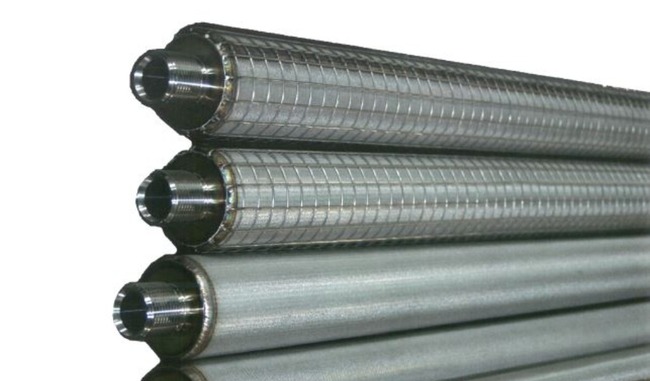
This manufacturing approach directly addresses the mechanical limitations of legacy filter media through distinct structural advantages:
- Solid-State Diffusion Bonding: The thermal-bonding process locks wire intersections permanently together, creating a monolithic structure that resists delamination and media shifting under heavy gas loads.
- Elastic Stress Absorption: Unlike brittle ceramic alternatives, high-nickel sintered mesh possesses high mechanical ductility. It flexes naturally during rapid thermal transients and high-pressure back-pulses, absorbing mechanical stress without cracking or shedding debris.
- Permanent Pore Stability: Precision-woven mesh geometry fixes absolute separation thresholds in place. This prevents pore expansion over time, ensuring consistent particle capture and reliable flow dynamics from start to finish of an operating campaign.
Securing Continuous Uptime in Chloride TiO₂ Operations
Eliminating recurring maintenance bottlenecks in chloride-route titanium dioxide facilities requires replacing fragile filtration media with robust, engineered alternatives. Upgrading to high-integrity POROSTAR® sintered wire mesh filter candles enables facility teams to extend production runs, bypass emergency vessel turnarounds, and maintain steady output.
Moving away from quick-blinding depth media stabilizes loop pressure drops and protects surrounding refractory hardware from harmful thermal shock cycling. By combining complete surface cake release with high-temperature metal stability, these filters directly target the primary failure points of legacy equipment.
HAVER & BOECKER partners directly with plant reliability managers, maintenance directors, and engineers to supply custom POROSTAR® sintered wire mesh filter candles tailored to exact facility workflows. Backed by over 135 years of technical wire weaving expertise, HAVER & BOECKER delivers dependable hot gas filtration solutions designed to maximize asset availability.
Read the article below to discover more about the strengths filtration will have in producing a more quality product in TiO₂ manufacturing: