
.jpg?width=48&height=48&name=Dylan%20Polz%20(new).jpg)
As artificial intelligence workloads push rack power densities past 100 kilowatts, data center operators are shifting from air cooling to direct-to-chip liquid cooling systems. At the heart of this transition is the Coolant Distribution Unit (CDU), which isolates the primary Facility Water System (FWS) from the secondary Technology Cooling System (TCS) loop. While liquid cooling unlocks unprecedented thermal efficiency, it introduces new operational expenditure risks if fluid purity is compromised.
Maintaining clean fluid in the secondary cooling loop is directly tied to controlling long-term operational costs. Unmanaged particulate matter circulating through a TCS circuit leads to unexpected component failures, shortened equipment lifespans, and labor-intensive maintenance cycles. Traditional full-flow canister strainers can mitigate debris, but they require significant physical space, introduce high pressure drops, and demand frequent maintenance intervals that drive up labor costs.
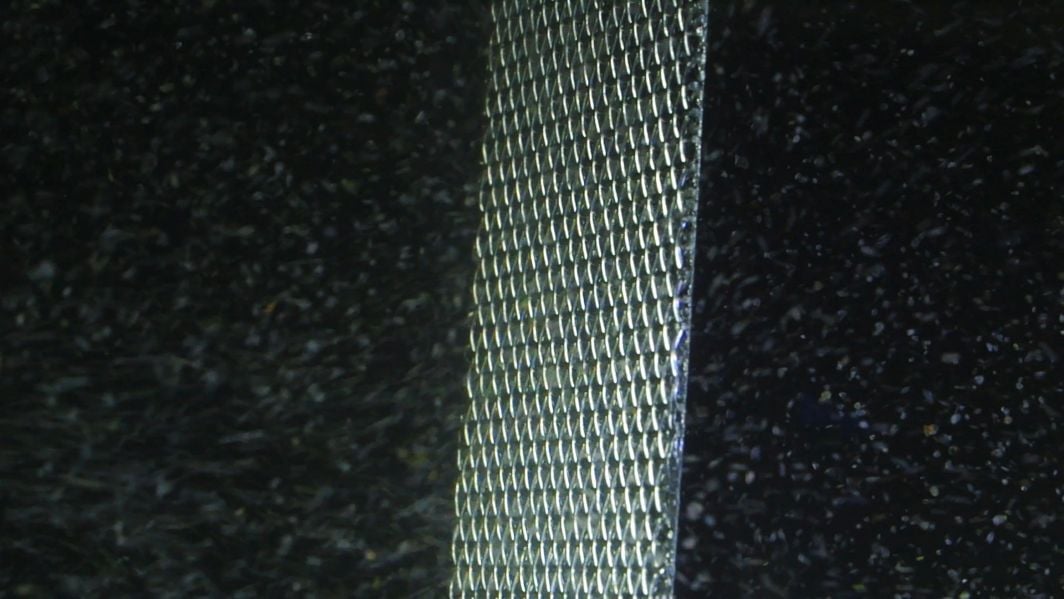
HAVER & BOECKER manufactures engineered woven wire mesh sock screen gaskets designed to fit seamlessly into existing piping. By extending a 3D wire mesh basket downstream inside standard flanged connections, these sock screen filters increase filtration surface area, minimize pressure loss, and protect critical CDU components without requiring additional floor space or complex pipe redesigns.
This article provides data center facility directors, chief technology officers, and thermal management engineers with an objective financial and operational analysis of secondary loop filtration. It details how inline sock screen gaskets rescue maintenance overhead, where they deliver the highest return on investment, and the specific constraints where alternative filtration methods may be required.
The High Cost of Unmanaged Debris in CDU Loops
Operating a liquid-cooled data center without precise particulate control creates a compounding financial burden across facility maintenance budgets.
Closed TCS loops may appear clean upon initial commissioning, but foreign matter inevitably enters or forms within the pipe network over time. Pipe scale, installation burns, construction dust, chemical precipitates, and degraded elastomer fragments circulate constantly through the system at high velocities.
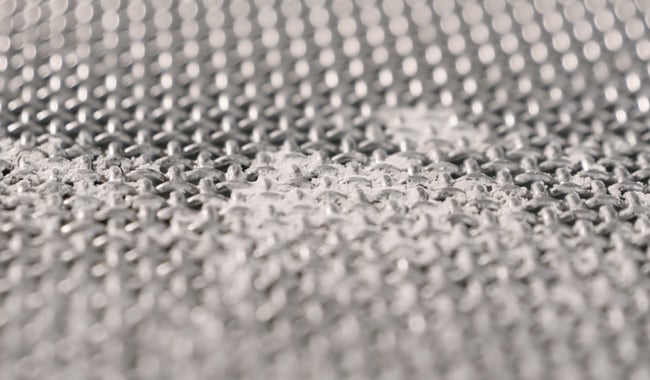
When allowed to circulate freely, these suspended solids generate three primary cost drivers for facility operations teams:
- Premature Component Replacement: Particulates act as an abrasive slurry against internal mechanical parts. Pump impellers suffer erosive wear that degrades hydraulic efficiency, while dynamic seals score and leak, requiring emergency pump overhauls or costly full-unit replacements well before their planned end-of-life.
- Accelerated Energy Consumption: As particulate matter deposits onto heat transfer surfaces, it forms an insulating fouling layer inside the brazed plate heat exchanger of the CDU. To compensate for reduced thermal efficiency and maintain target cold plate temperature, circulating pumps must run at higher RPMs, steadily increasing facility energy consumption.
- Emergency Downtime and Labor Overhead: Unplanned service events in high-density AI clusters carry severe financial penalties. When a localized clog starves a server node of coolant, processors instantly throttle or shut down to prevent thermal damage, forcing technicians into emergency troubleshooting and manual pipe disassembly.
Protecting Cold Plates and Pumps to Lower Costs
Modern AI accelerators utilize direct-to-chip cold plates featuring microchannels engineered with gaps between 50 and 100 µm. These extremely narrow passages maximize heat transfer area, but they act as mechanical sieves for any debris larger than the channel gap width.
Capturing these particulates immediately upstream of the server rack is the most cost-effective way to preserve system uptime.
Want to learn more about the dangers of contaminants in your systems cooling water? Check out our article below to learn more:
Strategic placement of sock screen gaskets directly at manifold inlets and CDU connections establishes a permanent physical barrier that protects sensitive hardware downstream.
By capturing particulates in the 25-50 µm range, sock screen gaskets safeguard components through distinct operational mechanisms such as:
- Cold Plate Microchannel Preservation: Blocking debris before it ever reaches server manifolds prevents localized fluid starvation, eliminating thermal throttling events and avoiding hardware replacements on expensive GPU nodes.
- Pump Seal and Impeller Protection: Retaining hard, abrasive metallic particles upstream prevents erosion of pump impellers and extends dynamic mechanical seal life, reducing routine pump maintenance cycles.
- Heat Exchanger Fouling Prevention: Preventing suspended solids from settling in CDU brazed plate heat exchangers preserves design heat transfer coefficients, stabilizing system power consumption over years of continuous operation.
Preventing Clogging with Wire Mesh Sock Screens
The physical design of an inline filter determines both its maintenance frequency and its impact on system hydraulics. Standard flat disc screen gaskets lay flush across a pipe joint, restricting the total filtration area to the internal diameter of the pipe.
As debris collects on a flat screen, the available open area vanishes rapidly, causing a steep, sudden spike in differential pressure that starves pumps and triggers pressure alarms.
In contrast, an extended sock screen gasket features a three-dimensional wire mesh basket that projects 1.5 to 6 inches into the pipe interior. This spatial geometry provides 300% to 500% more open surface area than a flat gasket of identical diameter.
As particulates accumulate near the base of the sock basket, coolant continues to pass freely through the remaining open mesh along the sides, maintaining a low, stable pressure drop curve across extended operating periods.

To ensure long-term operational success, facility engineers must also recognize the practical application boundaries of sock screen gaskets:
- Ideal Application Scenarios: Sock screen gaskets are best used as compact, low-pressure drop, “last-chance” debris strainers placed directly at CDU inlets, cooling manifolds, and pump suction lines where physical space is limited and protection against physical hardware damage is critical.
- Application Limitations: Sock screen gaskets are not intended to serve as primary full-flow polishers for sub-micron silt, dissolved minerals, or biological growth. Fitting ultra-fine mesh into a high-flow inline sock gasket leads to rapid media blinding, increasing maintenance labor due to frequent pipe disassembly. For sub-micron polishing, facility engineers should implement a dedicated, low-flow bypass side-stream filter loop instead.
- Material Selection and Compatibility: Long-term cost reduction depends on chemical resistance. Pairing 316L stainless steel mesh with peroxide-cured EPDM elastomer rings prevents chemical leaching, gasket degradation, or seal swelling when exposed to treated water-glycol fluids at elevated operating temperatures.
Maximize CDU ROI with Custom Sock Screen Filters
Achieving optimal return on investment in liquid-cooled data centers requires a thermal management strategy that balances physical hardware protection with low operating costs. Inline sock screen filter gaskets deliver a cost-effective, space-saving solution that eliminates destructive debris before it can damage cold plates, erode pump impellers, or foul CDU heat exchangers. By utilizing three-dimensional wire mesh geometry, these components maximize dirt-holding capacity and extend maintenance intervals without adding friction or energy overhead to secondary cooling loops.
Integrating precision-engineered wire mesh sock screens into secondary technology cooling systems protects capital-intensive IT assets, stabilizes energy consumption, and significantly lowers manual servicing costs. Removing abrasive particulates from circulation ensures consistent thermal performance across AI computing clusters while preventing costly emergency downtime.
HAVER & BOECKER collaborates directly with data center facility directors, thermal architects, and mechanical engineers to manufacture custom sock screen gaskets tailored to exact piping dimensions, mesh ratings, and fluid specifications. Backed by over 135 years of wire weaving expertise, HAVER & BOECKER provides durable filtration components that secure thermal reliability and lower long-term operating costs.
If you are looking to discover more about the benefits of wire mesh sock screen filters and how they can fit into your system, read our article below: