

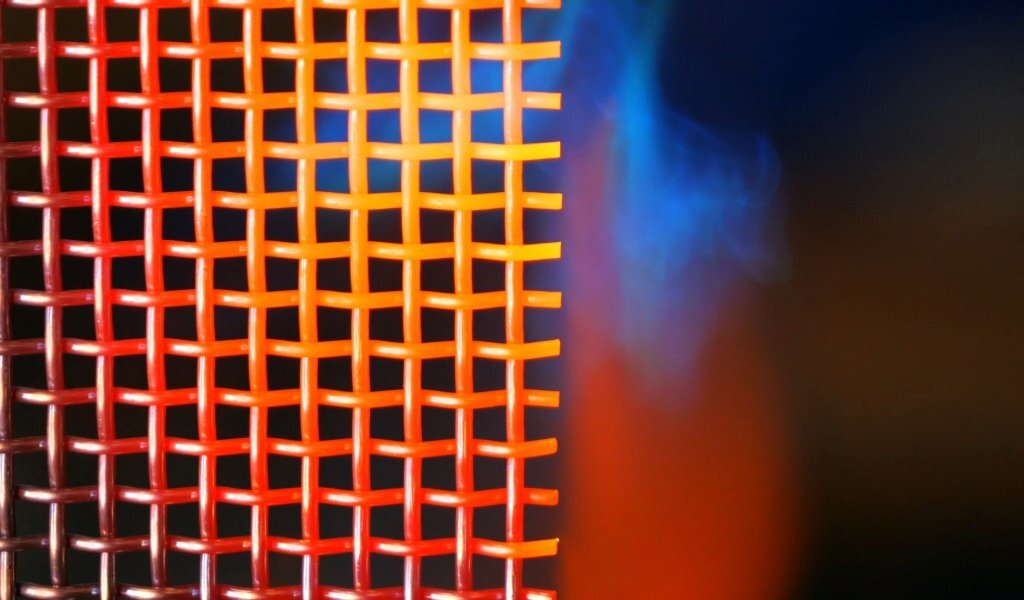
In chloride-route titanium dioxide production, maintaining continuous, high-volume manufacturing campaigns depends on the uninterrupted flow of process gases through high-temperature reactor loops. Operating directly inside fluid-bed chlorination and oxidation circuits, inline filter candles manage heavy solid particulate loads while exposed to reactive titanium tetrachloride (TiCl4) vapors and dry chlorine gas at extreme operating temperatures ranging from 300°C to over 1,000°C (572°F to 1,832°F).
When these vital separation barriers function smoothly, plants maintain stable operating pressures and consistent product quality across multi-month schedules.
However, one of the most persistent operational hurdles facing chemical processing facilities is filter blinding, which is a condition where fine solid particulates progressively choke the porous structure of the filter element. As unreacted mineral ore fines and petroleum dust become permanently wedged within internal pore channels, system differential pressure climbs sharply.
This restriction forces upstream blowers to work significantly harder, threatening plant throughput and risking sudden system trips if pressure differentials exceed safe operational thresholds.
Left unaddressed, severe filter blinding triggers costly unscheduled maintenance events, requiring facility teams to halt production, cool down refractory-lined vessels, and perform manual changeouts. These emergency turnarounds consume valuable maintenance labor, generate plant downtime, and subject surrounding hardware to severe thermal fatigue.
Mitigating filter blinding is therefore a critical engineering priority for safeguarding overall facility profitability and asset longevity.
This article is created for professionals in the industry, such as plant reliability engineers, maintenance directors, chemical production superintendents, and process optimization leads. The following sections examine the root mechanical causes of filter blinding, outline proactive mitigation strategies, and explore how advanced wire mesh technology permanently restores permeability in aggressive chlorination loops.
The Mechanics and Impact of Filter Blinding in TiO2 Loops
Understanding why filter blinding occurs in chloride-route processing requires examining the interaction between high-temperature gas streams and porous media structure.
When hot TiCl4 vapor and chlorine gas sweep fine solid contaminants out of the chlorination reactor, filtration elements must capture these solids instantly. The physical mechanisms driving progressive blinding include:
- Internal Depth Entrapment: Traditional porous ceramic or sintered metal powder candles feature a thick, tortuous internal pore matrix. Sub-micron rutile or ilmenite ore fines and fine dust penetrate deep into this network during initial filtration phases, where reverse pulse-jet cleaning air cannot reach them, leading to permanent pore choking.
- Cake Compaction and Resistance Spikes: As captured particles accumulate on the filter exterior, inadequate cake release causes residual layers to bake onto the surface over time. This compressed layer increases flow resistance and accelerates differential pressure escalation across the vessel.
- Thermal Shock Micro-Fissuring: Rapid temperature fluctuations during operational upsets or aggressive back-pulsing create micro-fractures in brittle filter walls. These tiny structural shifts trap particulate matter inside newly forward fissures, compounding mechanical blinding with structural failure.

Key Filter Blinding Mitigation Strategies
Preventing progressive pressure spikes and extending operating intervals requires a deliberate shift away from reactive filter management toward engineered operational controls.
Want to discover more about the downsides of running an inefficient system? Read the article below to learn more:
Plant engineering teams can successfully combat blinding by implementing targeted tactical adjustments that include:
- Transitioning to Surface Filtration: Moving away from deep-bed entrapment ensures that all solid particulate matter forms a discrete dust cake exclusively on the exterior boundary of the filter element, allowing automated pulse-jet bursts to shear the cake away cleanly.
- Controlling Filtration Face Velocity: Limiting the volumetric gas flow per unit of filter area prevents excessive face velocity. When gas velocity is too high, it forces fine ore or particulates against the media with high kinetic energy, driving particles into the filtration boundary and initiating mechanical blinding.
- Integrating Upstream Mechanical Pre-Separation: Installing high-efficiency primary cycles upstream of the filter vessel strips out the heaviest fraction of coarse mineral ore and dust. Reducing the bulk solids burden entering the filter housing prevents rapid cake buildup on the filter candles.
- Maintaining Strict Temperature and Dew Point Margins: Keeping process gas streams and vessel walls well above condensation thresholds prevents trace moisture or heavy chemical vapors from condensing on the filter surface. Condensation creates a cement-like slurry bond that cements fine dust permanently onto the filtration media.
Eliminating Blinding with POROSTAR® Filter Candles
Translating these blinding mitigation strategies into reliable, day-to-day operations requires filter media engineered specifically to prevent internal entrapment.
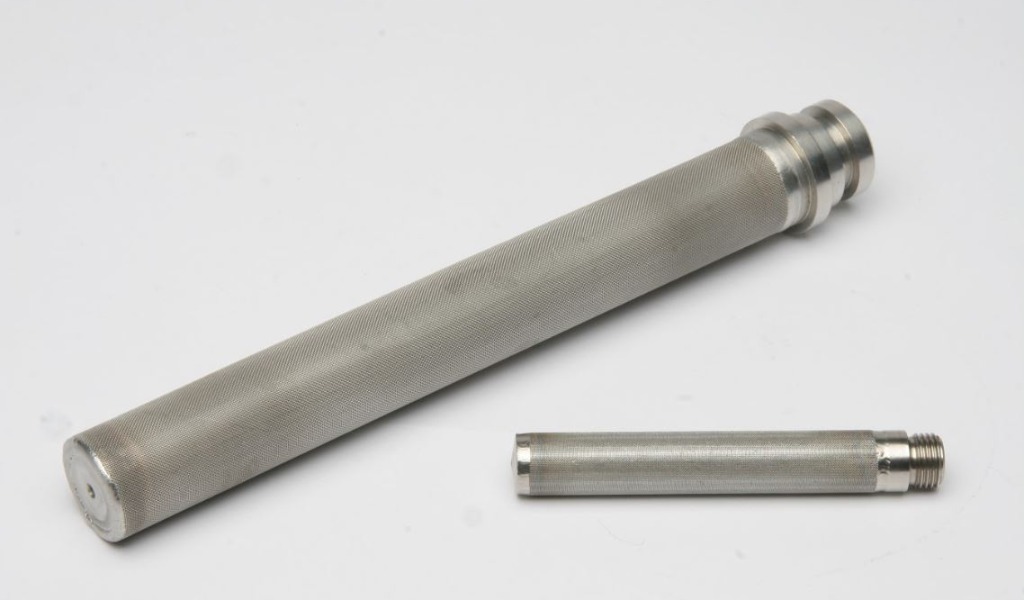
HAVER & BOECKER solves this engineering challenge through POROSTAR® filter candles, which directly embody the principles of surface separation and thermal resilience to stop pressure spikes before they start and include:
- Surface-Loading Boundary: Unlike deep-bed media that trap fine particulate matter internally, multi-layer sintered wire mesh creates a flat, exterior filtration barrier. This ensures that unreacted ore fines and dust are captured exclusively on the outer surface, enabling complete, effortless cake detachment during every automated pulse-jet cleaning cycle.
- Unrestricted Flow Dynamics and Low Resistance: By eliminating the thick, tortuous internal matrix found in legacy ceramic or metal powder elements, these filter candles maintain a consistently low baseline flow resistance. This stable permeability prevents the gradual pressure creep that forces premature system shutdowns.
- Thermal Shock and Chlorine Resilience: Fabricated from corrosion-resistant high-nickel alloys such as Inconel and Hastelloy, POROSTAR® candles withstand dry chlorine gas and extreme operating temperatures ranging from 300°C to over 1,000°C (572°F to 1,832°F). Their mechanical ductility absorbs rapid thermal shifts without micro-fissuring, ensuring fine particulates never become wedged inside thermal stress cracks.
Eliminating Maintenance Bottlenecks with Wire Mesh
Eliminating recurring filtration bottlenecks in chloride-route titanium dioxide production require replacing fragile, quick-blinding media with robust, engineered alternatives designed for continuous service. Upgrading to high-integrity POROSTAR® sintered wire mesh filter candles enable facility teams to stabilize operating pressures, eliminate emergency vessel turnarounds, and maintain consistent daily output.
By combining reliable surface-loading cake release with superior high-temperature metal stability, these advanced filter candles directly solve the primary failure points of legacy depth media. Protecting vessel permeability across extended operating campaigns safeguards both equipment lifespan and production efficiency.
HAVER & BOECKER partners directly with plant reliability engineers, maintenance directors, and production superintendents to supply custom POROSTAR® sintered wire mesh filter candles tailored to exact facility workflows. Backed by over 135 years of technical wire weaving expertise, HAVER & BOECKER delivers dependable hot gas filtration solutions designed to maximize uptime and eliminate blinding.
Read our article below to discover more about how POROSTAR® can help you to get the most out of your filter media: