.jpg?width=48&height=48&name=Dylan%20Polz%20(new).jpg)
In high-volume chloride-route titanium dioxide production, inline hot gas filtration systems operate under continuous exposure to heavy particulate loadings and harsh chemical environments. Positioned directly within primary reaction units, which include fluid-bed chlorinators, calciners, and high-temperature oxidation vessels, rigid filter candles isolate fine solids and raw materials from active process streams.
Managing streams laden with unreacted ore fines, pigment particles, and vaporized titanium tetrachloride production gases requires filtration media engineered for structural stability and clean back-pulse release under extreme heat.
Filter elements situated in high-solids reaction zones face severe operating demands. Temperatures continuously range from 300°C to over 1000°C in gas streams containing dry chlorine gas and corrosive halogen vapors. When heavy solids loads plug media pores or erode structural walls, plants suffer rapid differential pressure buildup, reduced gas velocity, and unexpected operational halts. Extending element operating life in high-solids hot gas filtration directly preserves unit throughput and lowers annual maintenance costs.
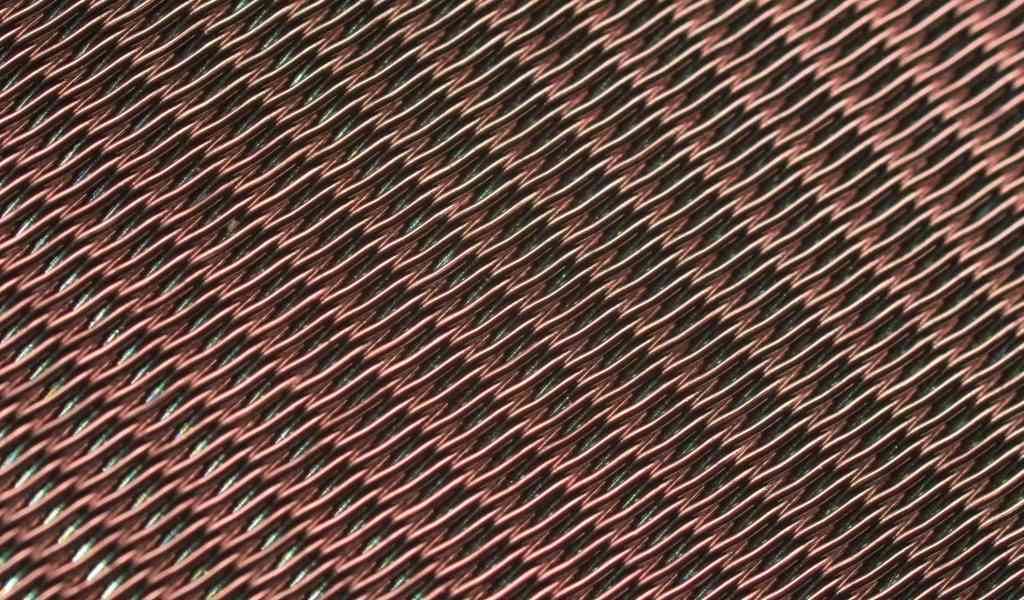
HAVER & BOECKER manufactures POROSTAR® sintered wire mesh filter candles engineered to withstand heavy dust concentration in aggressive chlorine gas filtration applications. Produced by diffusion-bonding precision layers of woven metal wire, these rigid filter candles provide structural integrity, uniform permeability, and resistance to thermal-mechanical shock.
This article is specifically created with plant engineers, B2B process engineers, and operations directors in chloride route titanium dioxide manufacturing in mind. It details the mechanisms of media degradation under heavy dust loading, evaluates alternative filter media options through an engineering lens, and outlines strategies for extending element service life in active production loops.
Managing Heavy Solids Loading in Chloride TiO2 Gas Streams
Inline process loops in chloride-route titanium dioxide facilities subject internal filtration elements to intense mechanical and chemical wear driven by high solids concentrations:
- Fluidized-Bed Chlorination: High-velocity process gas streams transport sharp petroleum particulates and dense titanium ore dust. This abrasive mixture creates continuous mechanical impact against element surfaces while operating in hot dry chlorine atmospheres.
- Oxidation and Pigment Recovery: Oxidation reactors produce dense mass loadings of titanium dioxide pigment crystals. Filter elements must continuously capture high dust volumes while maintaining low baseline differential pressure under rapid reverse pulse-jet cleaning cycles.
- Intermediate Vapor Processing: Streams containing vaporized titanium tetrachloride and entrained fine dust demand precise temperature management above dew points to prevent sticky condensation layers from sealing active pore channels.

In addition to physical particle loading, high gas temperatures accelerate chemical degradation across filter hardware.
At temperatures exceeding 300°C, hot chlorine gas aggressively attacks standard austenitic stainless steels (such as 304 or 316 alloys), causing severe pitting corrosion, intergranular degradation, and stress corrosion cracking.
Protecting element wall thickness and structural welds in high-solids loops requires specialized high-nickel metallurgy, such as Inconel or Hastelloy, capable of forming stable protective oxide scales under continuous halogen exposure.
High-solids environments also test the mechanical fatigue resistance of filter media during back-washing. Automated pulse-jet systems discharge cold compressed gas through element cores to dislodge heavy exterior dust cakes.
The combination of thermal transients and high-frequency shockwaves induces severe cyclic stresses. Filtration media must possess sufficient ductility to absorb repetitive cleaning pulses without developing fatigue cracks or seam separation.
Why Standard Media Fail Under Heavy Particulate Loading
Selecting filtration media for high-solids titanium dioxide production requires balancing filtration efficiency, structural durability, and cleaning capability. Evaluating common filter media constructions against high-dust process demands illustrates critical operational trade-offs:
- Flexible Polymer and Glass Fabric Bags:
- Structural Properties: Non-rigid woven or felted fibers (such as PTFE, P84, or fiberglass).
- Operational Strengths: Low initial investment cost; lightweight construction; simple installation procedures during routine turnarounds.
- Performance Limits: Incompatible with primary high-solids hot gas loops. Polymer fibers undergo thermal degradation at temperatures above 260°C and rapidly disintegrate in hot chlorine gas. High face velocities and abrasive particles cause rapid fabric tearing and catastrophic process bypass.
- Porous Ceramic Filter Candles:
- Structural Properties: Thick-walled, rigid refractory ceramic tubes (silicon carbide or mullite).
- Operational Strengths: Exceptional temperature resistance (>800°C); complete resistance to oxidation and halogen chemical attack.
- Performance Limits: Extreme physical brittleness. In high-solids loops requiring frequent pulse-jet cleaning, cold-air shockwaves and mechanical vibrations induce micro-fractures along the candle body. Broken ceramic pieces drop into reaction vessels, causing severe equipment contamination and immediate unscheduled unit shutdowns.
- Sintered Powder Metal Candles:
- Structural Properties: Compressed and sintered metallic grains forming a dense, porous metal wall.
- Operational Strengths: Solid metallic construction with high pressure rating and good impact resistance.
- Performance Limits: Susceptible to permanent depth matrix blinding under heavy dust loading. Irregular, tortuous pore paths trap fine pigment particles deep within the internal matrix wall. Reverse pulse-jet blasts fail to dislodge trapped interior particles, resulting in irreversible pressure drop increases and premature element disposal.
If you want to discover more about the importance of reliable filtration in titanium dioxide production, check out our article below:
Prolonging Candle Service Life with POROSTAR® Wire Mesh
POROSTAR® sintered wire mesh filter candles engineered by HAVER & BOECKER resolve depth blinding and mechanical brittleness through a multi-layer diffusion-bonded construction.
Fusing precision-woven wire cloth layers under high heat and pressure creates rigid sintered laminates that deliver specific operational advantages in heavy-solids gas filtration:
- Two-Dimensional Surface Filtration: POROSTAR® multi-layer mesh restricts particle retention strictly to the smooth exterior boundary layer. Titanium dioxide dust builds a uniform, permeable cake that shears cleanly off the surface during reverse pulse-jet cleaning, preventing internal pore entrapment and stabilizing system differential pressure.
- High Mechanical Ductility: Fabricated from metallic alloys, wire mesh filter candles exhibit high structural flexibility. When subjected to rapid temperature changes or repeated pulse-jet shockwaves, the diffusion-bonded wire matrix flexes elastically without cracking, spalling, or shedding material into clean gas streams.
- Targeted High-Nickel Metallurgy: To prevent chemical degradation in hot chlorine gas environments, POROSTAR® elements are fabricated using Inconel or Hastelloy. This targeted alloy selection eliminates halogen pitting and stress corrosion cracking, extending total element operational life in active reaction zones.
- Fixed Pore Geometry and Permability: High-temperature diffusion bonding welds every wire intersection within the wire structure. This locks pore openings in place, preventing pore distortion under high face velocities while providing high open surface area for maximum gas throughput.

Maximizing Your Filters Life to Eliminate Unscheduled Shutdowns
Achieving extended filter service life and protecting operating margins in chloride-route titanium dioxide plants requires hot gas filtration equipment built for high particulate concentrations and aggressive chemistry. Replacing fragile ceramic media or rapid-blinding depth filters with back-washable metallic candles enables plant operators to control pressure drop, eliminate catastrophic media breakage, and extend campaign length between overhaul shutdowns.
Deploying high-integrity sintered wire mesh candles downstream of chlorinators, calciners, and oxidation vessels stabilizes gas circulation, protects downstream capital equipment, and preserves titanium dioxide pigment recovery. Combining high-temperature filter mesh with corrosion-resistent alloys provides chemical processing plants with a dependable solution for continuous throughput.
HAVER & BOECKER collaborates directly with reliability engineers, plant operations leaders, and chemical equipment designers to engineer application-specific POROSTAR® sintered wire mesh filter candles. Tailored to fit exact vessel geometry, operating temperatures, and gas compositions, HAVER & BOECKER delivers durable hot gas filtration solutions backed by over 135 years of wire weaving technology.
Read our article below to discover 7 of the most critical challenges that titanium dioxide producers face: