.jpg?width=48&height=48&name=Dylan%20Polz%20(new).jpg)
In large-scale aggregate processing and industrial mineral screening, maintaining consistent hourly tonnage relies on maximizing effective open area. When woven wire screen sections operate at peak performance, fine particles drop rapidly through the mesh near the feed box, allowing distinct size fractions to separate cleanly across the panel surface. However, when feed conditions introduce high surface moisture or high proportions of near-size stone, two distinct operational bottlenecks emerge: blinding and pegging.
Both conditions progressively choke off the passing area of woven wire screen media, forcing usable fines to travel past their intended cut point. As active open area collapses, material accumulates into an overly thick bed depth, causing fine aggregate to ride directly over the panel into the coarse overs pile. Left unaddressed, this loss of separation efficiency starves downstream circuits, increases recirculating loads in secondary crushers, and forces operators to halt production for manual cleaning.
At HAVER & BOECKER, our over 135 years of wire weaving expertise have demonstrated that solving blinding and pegging requires matching the physical geometry of the screen section to the specific characteristics of the feed stream. By engineering high-tensile wire mesh with specialized slot configurations, precise crimp styles, and optimized wire diameters, we help producers keep their screen media clear and maximize plant profitability.
In this article, we will detail the physical differences between blinding and pegging, examine the raw material factor that causes active open area loss, and explore how slotted weaves restore material flow in problem screening circuits.
The Differences Between Screen Blinding & Pegging
Although blinding and pegging both result in blocked open area and lost screening capacity, they are driven by entirely different mechanical failure modes. Understanding which condition is occurring on your vibrating screen section is critical to selecting the proper corrective action.
Screen Blinding is primarily a moisture-driven adhesion process. It occurs when damp, fine particles such as clay, silt, or stone dust adhere to the individual wires of a screen section.
As more material passes over the panel, these damp fines build up along the wire intersections, gradually bridging across the aperture until the opening is completely covered. Blinding typically forms a continuous crust over large portions of the screen surface, bringing stratification to a complete halt.
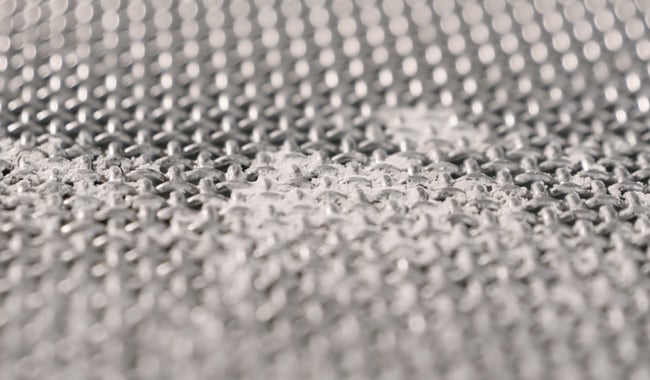
Screen Pegging, by contrast, is a physical wedging mechanism caused by particle geometry. It happens when hard, near-size stones (particles slightly larger than the nominal aperture size) enter the openings under high G-force acceleration.
Rather than passing through or bouncing off, these particles become mechanically wedged between adjacent wires. Unlike blinding, which involves fine mud or dust, pegging fills individual apertures with solid rock, creating a jagged, studded panel surface that resists normal material travel.
Material Factors That Cause That Cause Open Area Loss
Eliminating screening bottlenecks requires identifying the specific raw feed characteristics that trigger open area blockage. While equipment stroke and vibration frequency play supporting roles, the physical properties of the aggregate stream dictate how material interacts with the wire mesh, which include:
- Surface Moisture Content: High moisture levels increase surface tension among fine particles, causing sticky dust and clay to cling to wire intersections rather than dropping through open apertures.
- High Proportion of Near-Size Particles: Feed streams containing a high concentration of rocks sized within 5% to 10% of the screen aperture dramatically increase the statistical likelihood of hard particle pegging.
- Particle Shape and Angularity: Elongated, sharpy, or cubical fractured stone wedges far more easily into rigid square openings than rounded gravel, accelerating mechanical pegging across the panel.
- Electrostatic Fines Interaction: Extremely fine dry minerals can generate static charges during high-velocity screening, causing dry dust to cling to carbon steel wires and initiate dry blinding.
Want more insights into optimizing your open area, media selection, and some tips and tricks to know when your filter is costing you money? Read our article below to learn more:
Recognizing these feed characteristics allows producers to proactively alter wire mesh specifications before material buildup forces an unscheduled washdown shift.
Maximizing Open Area with Ty-Rod and TON-CAP Slotted Weaves
Standard square mesh panels feature equal spacing between warp and shute wires, creating numerous wire cross-points where damp fines take root or square particles lodge.
Replacing square openings with engineered slotted weaves alters the surface geometry of the screen section, providing a solution that resists both blinding and pegging.
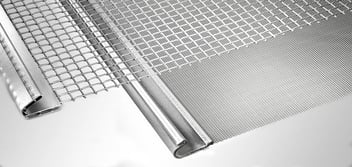
HAVER & BOECKER manufacturers specialized slotted woven wire configurations engineered to keep active open area clear in severe screening applications:
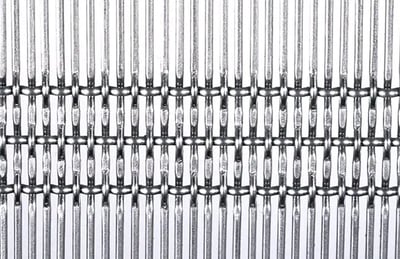
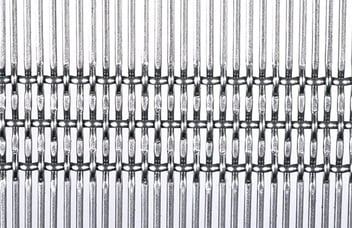
- Ty-Rod: Designed with long, continuous parallel openings aligned with material flow, Ty-Rod maximizes active open area and passing velocity. By eliminating a high percentage of cross-wire intersections, this long-slot geometry prevents damp fines from bridging. Furthermore, the extended parallel wire spans flex slightly under normal machine vibration, generating micro-movements that continuously dislodge near-size stones before pegging can take hold.
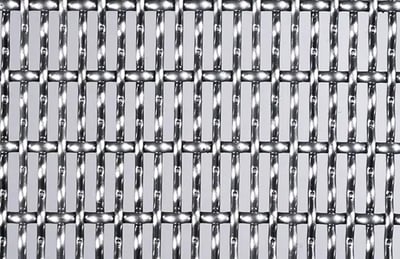
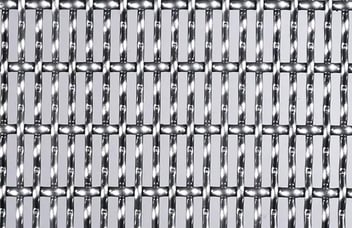
- TON-CAP: Constructed with elongated rectangular openings combined with heavy-gauge cross wires running transverse to material flow, TON-CAP offers an ideal balance of open area and structural load capacity. The rectangular aperture shape prevents cubical rock from contacting four sides of the wire simultaneously, virtually eliminating four-point mechanical pegging while maintaining high resistance against heavy impact loading.
Switching from rigid square mesh to Ty-Rod or TON-CAP slotted wire mesh restores lost passing capacity without requiring structural modifications to your screening equipment or mounting hardware.
Restoring Screen Capacity with the Right Wire Mesh
Screen blinding and pegging are not mandatory costs of processing damp or difficult aggregate feeds. By distinguishing between moisture-driven blinding and mechanical pegging, plant operators can select media solutions that eliminate open area loss, maintain sharp cut points, and protect downstream processing efficiency.
Optimizing screen section performance requires matching wire diameter, allow selection, and aperture geometry to the exact demands of your feed material. Deploying specialized slotted wire media such as Ty-Rod or TON-CAP provides the self-cleaning action needed to keep production lines moving at maximum hourly tonnage.
At HAVER & BOECKER, we engineer high-tensile woven wire screen sections to deliver superior open area, exceptional wear life, and precise separation accuracy. By controlling wire drawing tolerances, weave consistency, and panel tensioning systems, we help aggregate and mineral producers eliminate carryover losses, prevent unplanned downtime, and maximize plant profitability.
Want a complete look at how panel wear, aperture stretching, and structural fatigue impact overall plant throughput? Check out our guide below to learn more: