

Industrial closed-loop cooling water systems are engineered to provide precise, continuous temperature regulation for critical process equipment, data center chillers, and heavy manufacturing machinery.
For industry experts such as plant operations managers, process reliability engineers, and facility maintenance directors, maintaining optimal thermal transfer efficiency requires keeping fluid loops clear of both thermal barriers and flow restrictions.
Although these loops are sealed against outside environmental debris, they remain vulnerable to internal degradation drivers.
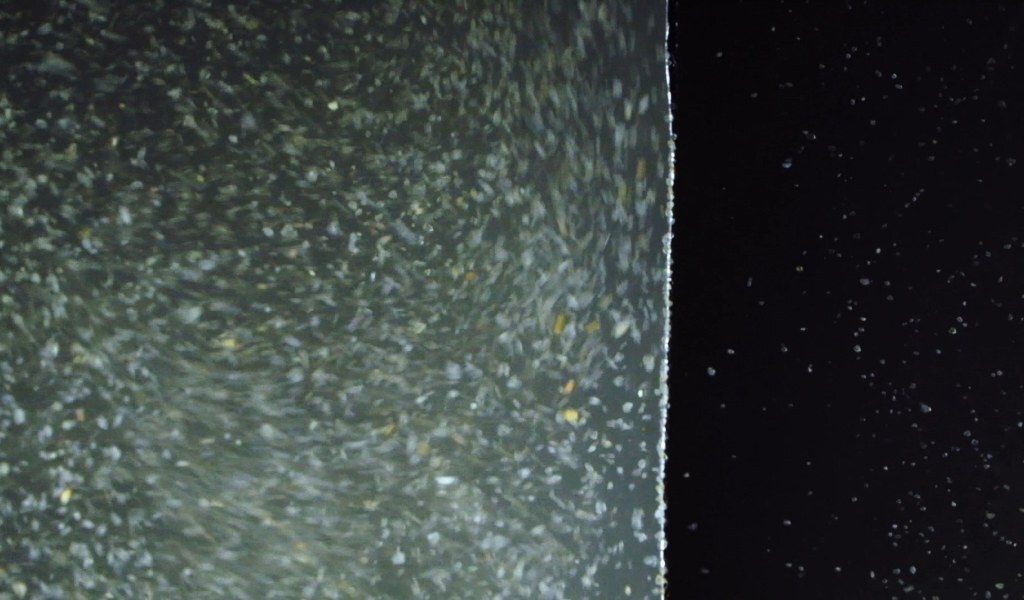
Over successive operational cycles, dissolved mineral hardness and microscopic organic ingress create a compounding cycle of mineral scaling and biofilm accumulation that severely degrades heat exchanger performance.
When suspended solids, iron oxides, and biological byproducts accumulate, they act as insulating blankets and localized nucleation sites. While chemical treatments and corrosion inhibitors are standard practice, chemical dosing alone often fails if physical particulate loads outpace the program’s efficacy, creating anchor points for microbial colonies that thrive away from biocide contact.
In this article, we examine the mechanics behind closed-loops degradation. The following sections analyze the dual threats of biofouling and scaling, explore proven strategies to combat suspended contaminants, and detail how precision wire mesh filter technology safeguards long-term asset reliability.
The Dual Threat of Biofouling and Mineral Scaling
Understanding the deterioration of industrial cooling loops requires evaluating how thermal efficiency is systematically eroded by two distinct yet interconnected phenomena: mineral scaling and biological fouling.
- Mineral Scaling Dynamics: As makeup water undergoes temperature shifts within heat exchangers, dissolved ions, which primarily include calcium, magnesium, and silica, exceed their solubility limits. These minerals precipitate out of solution, bonding directly to tube walls and heat transfer surfaces. Even a fraction of a millimeter of mineral scale acts as a severe thermal insulator, forcing equipment to work harder and driving up energy consumption.
- Biofilm Proliferation: Microorganisms thrive in the dark, warm environments typical of recirculating water loops. These bacteria exude a protective extracellular polymeric substance known as biofilm. Once established, this sticky matrix acts as a shield, preventing liquid-phase biocides from penetrating deep enough to eradicate active colonies.
- Synergistic Degradation: Mineral scale and biological growth rarely occur in isolation. Rough scale deposits provide physical anchor points for microbiological attachment, while biofilms trap suspended silt and corrosion byproducts. This combination accelerates under-deposit corrosion and creates localized concentration cells that can rapidly pit metal pipe walls.
How to Combat Bio-Debris and Scale
Combating these dual threats effectively demands a multi-tiered defense strategy that integrates targeted chemical conditioning with robust physical separation techniques.
Relying on a single line of defense frequently leads to premature system fouling and unexpected maintenance interventions. Some strategies include:
- Side-Stream and Full-Flow Filtration Integration: Deploying continuous side-stream water filtration extracts a fraction of the total system volume, systematically polishing out suspended solids, corrosion byproducts, and detached biofilm clumps before they settle in low-velocity zones.
- Targeted Chemical Dosing Regimes: Maintaining strict water chemistry parameters, which include precise pH control, hardness conditioning, and alternating biocide programs, neutralizes suspended minerals and suppresses bacterial proliferation. However, chemical additives require clean fluid to function efficiently, as high turbidity binds chemical inhibitors, rendering them inert.
The Role of Wire Mesh Filtration in Preventing Accumulation
At the physical core of an effective separation strategy lies the filtration media itself.
While basic coarse strainers capture large debris during initial commissioning, they allow microscopic suspended solids, iron oxide fines, and organic debris to pass through, where they eventually settle on heat transfer surfaces.
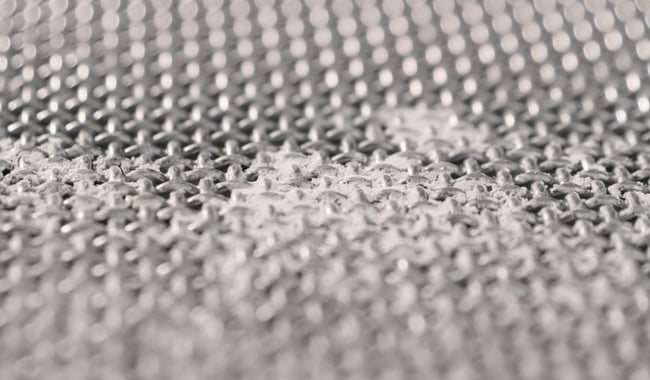
Precision wire mesh filter elements provide a controlled, repeatable barrier capable of capturing fine particulate matter down to as small as 5 microns, before it can seed scale formation or fuel biofilm growth.
Fabricated with uniform aperture geometries, high-performance wire cloth, such as RPD HIFLO-S, maintains structural stability under variable flow rates and pressure loads. Some benefits include:
- Differential Pressure Monitoring: As filtration media captures suspended contaminants, flow restriction across the element increases, resulting in a measurable rise in differential pressure. Monitoring this metric allows maintenance teams to schedule timely backwashes or cleanings before flow starvation occurs.
- Non-Blinding Surface Retention: Unlike depth filters that trap particles internally where they become permanently lodged, woven wire mesh relies on surface-level retention. This design ensures that automated backwash cycles or mechanical cleaning blades can easily dislodge trapped bio-debris and scale fragments.
- Enhanced Industrial Filtration Efficiency: By continuously stripping abrasive suspended solids and organic debris from the fluid matrix, wire mesh filters protect downstream pump seals, control valves, and heat exchangers from accelerated wear while maximizing the active lifespan of chemical inhibitors.
If you want to learn more about the best specifications of wire mesh for your water filtration applications, read the article below:
Protecting Your Closed-Loop Filtration System Long-Term
Safeguarding heavy industrial cooling infrastructure against the relentless pressures of scaling and biofouling demands a proactive, engineered approach. Without continuous particulate removal and disciplined water chemistry management, even the most robust closed-loop systems will experience declining thermal performance and rising energy overhead.
Balancing capital investment against operational risk is essential when selecting filtration hardware. Facility managers must weight system volume, fluid velocity, and specific contaminant profiles to avoid both under-filtered vulnerabilities and over-engineered, cost-prohibitive installations that strain plant budgets.
Because every industrial cooling loop operates under unique thermal and chemical constraints, close collaboration between internal reliability teams and experienced filtration specialists ensures optimal system design. Tailoring filtration precision to actual operating conditions eliminates chronic maintenance bottlenecks and extends equipment lifespans across demanding production cycles.
Backed by over 135 years of precision wire weaving expertise, HAVER & BOECKER partners directly with industrial facilities to engineer custom industrial filtration and wire mesh solutions built for severe service environments. By combining rigorous metallurgical knowledge with advanced manufacturing capabilities, HAVER & BOECKER helps plant teams maximize operational uptime, protect critical assets, and achieve lasting efficiency.
Read our article below to learn more about how wire mesh filtration reliability can benefit your side-stream filtration loops:


