In the modern chemical processing sector, corporate sustainability goals extend far beyond office greening initiatives, requiring heavy industrial facilities to aggressively target energy efficiency, resource conversation, and waste reduction. Within chloride-route titanium dioxide (TiO2) production, achieving these environmental milestones depends heavily on the performance of high-temperature hot gas filtration systems.
Operating inside demanding fluid-bed chlorination and oxidation reaction loops, inline filter candles manage heavy particulate loads while exposed to reactive titanium tetrachloride (TiCl4) vapors and dry chlorine gas operating at extreme temperatures ranging from 300°C to over 1,000°C (572°F to 1,832°F).
When these critical separation elements experience premature blinding or structural failure, the environmental and energetic consequences ripple throughout the planet. Increased resistance across choked filter walls forces upstream process blowers to draw significantly higher electrical current, directly driving up carbon emissions and energy consumption.
Furthermore, inefficient particle capture creates off-spec material batches that require energy-intensive reprocessing, generating avoidable industrial waste and raw material loss.
To address these operational friction points effectively, facility leadership must align technical strategy with environmental responsibility. This article is written specifically for corporate sustainability directors, plant environmental engineers, energy optimization managers, and operations vice presidents tasked with reducing facility carbon footprints while maintaining peak production rates in titanium dioxide manufacturing.
Transitioning toward long-term operational sustainability requires replacing short-lived, inefficient media with advanced engineering solutions designed for circularity and extended lifecycles. The following sections examine the direct environmental tolls of filtration inefficiency, outline actionable strategies for sustainable processing, and explore how advanced sintered wire mesh technology drives measurable energy savings in primary chlorination loops.
The Environmental Consequences of Poor Filtration
Operating a chloride-route titanium dioxide facility with sub-optimal or rapidly degenerating filtration media carries a heavy, quantifiable environmental penalty.
When filtration systems fail to maintain steady permeability, three distinct sustainability challenges emerge across the production lifecycle:
- Escalating Electrical Energy Consumption: As fine ore dust and particles embed permanently into porous legacy filters, system differential pressure climbs steeply. Process blowers must work continuously harder against this artificial restriction, wasting massive amounts of electric utility power and inflating the plant’s overall carbon intensity per ton of pigment produced.
- Elevated Solid Waste Generation: Brittle ceramic candles or low-grade metallic filters prone to thermal shock cracking require frequent teardowns and disposal. Discarding damaged filter elements generates constant industrial solid waste streams and demands additional energy inputs to manufacture, ship, and install replacement parts.
- Raw Material and Re-work Inefficiencies: Particulate carryover into downstream reaction zones compromises chemical purity, frequently resulting in off-specification product batches. Reprocessing or scrapping tainted material squanders the water, chlorine, and titanium feedstock consumed during initial chlorination phases.

Strategies for Sustainable TiO2 Processing
Improving environmental performance across active titanium dioxide production lines requires moving away from reactive component replacement toward proactive, energy-conscious engineering strategies.
Want to discover more about the downsides of running an inefficient system? Read the article below to learn more:
Facility engineering teams can successfully lower their environmental footprint on three operational improvements:
- Maximizing Surface Filtration Efficiency: Transitioning from a depth entrapment style filter to a surface-loading one ensures that solids form an easily detachable dust cake. This allows automated reverse pulse-jet cycles to clear the filter completely using minimal compressed air energy, preserving system permeability without demanding excessive utility power.
- Extending Operating Campaign Durations: Designing filtration assemblies with high-durability metallurgy prevents sudden catastrophic failures, effectively doubling or tripling active service intervals between scheduled vessel turnarounds and minimizing resource consumption.
- Evaluating Initial Capital Versus Lifecycle ROI: While high-performance, high-nickel sintered wire mesh filter candles represent a substantial initial capital investment, their extended operational lifespan and low energy draw deliver superior long-term environmental and financial returns. However, in non-critical auxiliary utility gas streams or low-temperature handling loops absent of aggressive halogen corrosion and thermal cycling, specifying premium metallic mesh can be an over-engineered choice that fails to align with strict initial CapEx reduction targets.
Achieving Sustainable Operations with POROSTAR® Filter Candles
HAVER & BOECKER manufacturers POROSTAR® filter candles to address the root causes of energy waste and material inefficiency in severe chemical environments.
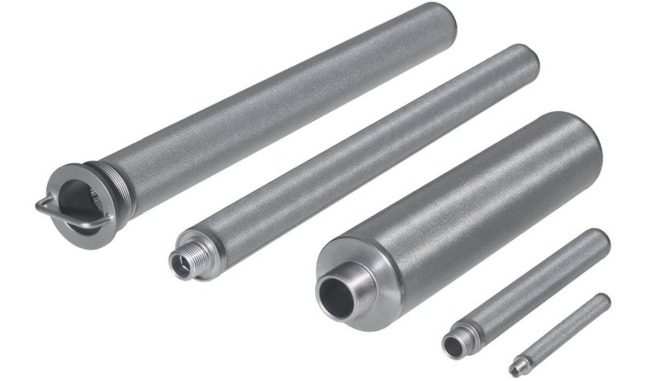
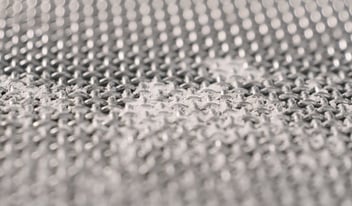
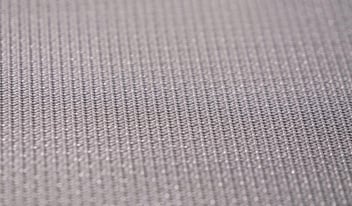
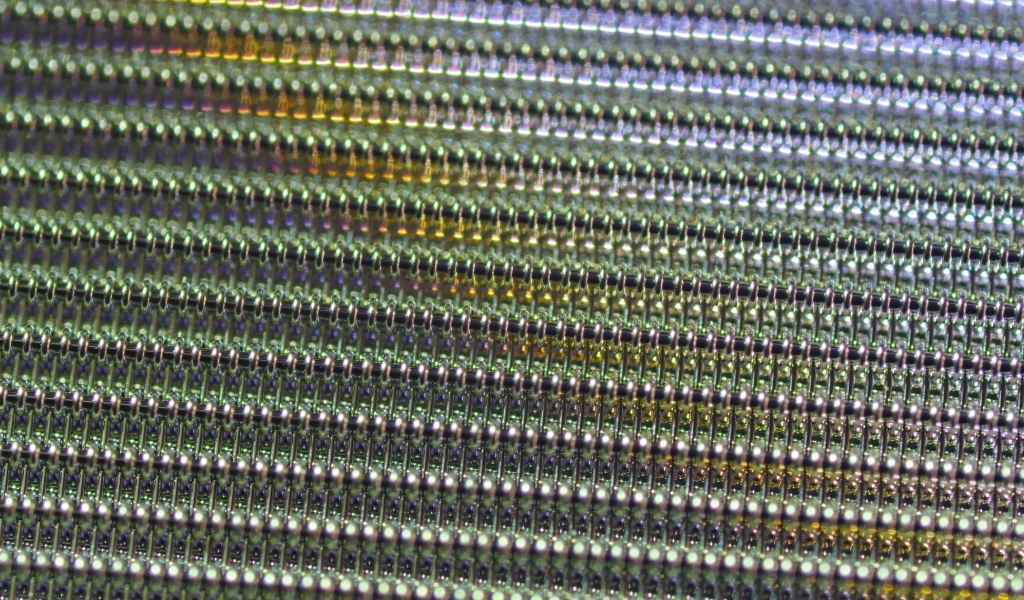
Engineered by diffusion-bonding precision-woven metal mesh layers under intense heat and pressure, these filter elements provide a robust barrier built for sustainable industrial service:
- Solid-State Diffusion Bonding for Longevity: The thermal-bonding process permanently fuses wire intersections into a monolithic structure, eliminating media shedding, delamination, and the need for frequent component replacements.
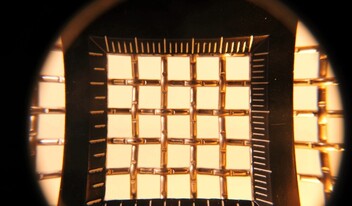
- Optimized Permeability and Low Resistance: High open-area mesh geometry allows process gases to flow freely at minimal baseline pressure drop, directly reducing the electrical load required by upstream blowers and compressors.
- Thermal Shock and Chlorine Resilience: Capable of withstanding extreme operating temperatures from 300°C to over 1,000°C (572°F to 1,832°F) in reactive chlorine environments. POROSTAR® candles resist halogen pitting and structural degradation to maintain stable performance across extended multi-year campaigns.
Building a More Sustainable Future for TiO2 Operations
Minimizing the environmental impact of chloride-route titanium dioxide manufacturing requires a rigorous look at internal process efficiency, starting with hot gas separation. Upgrading from short-lived, quick-blinding filtration media to high-integrity POROSTAR® sintered wire mesh filter candles enables industrial plants to curb electrical energy waste, eliminate premature component disposal, and protect raw material yields.
By pairing smooth surface cake release with durable high-temperature alloy construction, these filters transform routine maintenance items into active drivers of corporate sustainability. Maintaining steady pressure drops and extending operating campaigns allows facility teams to lower carbon emissions while safeguarding daily production output.
HAVER & BOECKER partners directly with sustainability directors, environmental engineers, and plant operations leaders to supply custom POROSTAR® sintered wire mesh filter candles tailored to exact facility workflows. Backed by over 135 years of technical wire weaving expertise, HAVER & BOECKER delivers dependable hot gas filtration solutions designed to advance both environmental compliance and operational excellence.
Check out the article below to learn more about the benefits of POROSTAR® wire mesh filter candles, and how they can help improve your systems dependability and production: