Inside chloride-route titanium dioxide production facilities, primary chlorination and oxidation loops operate under punishing environmental conditions that push industrial materials to their absolute limits.
For plant reliability managers, metallurgical specialists, and maintenance directors, understanding how extreme thermal profiles and reactive chemical species interact with hot gas filtration hardware is essential for preventing catastrophic component failure. Unlike standard particulate collection duties, primary TiO2 reactors subject internal filter elements to a relentless dual assault of high-temperature stress and aggressive halogen chemistry.
When severe heat combines with reactive titanium tetrachloride vapors and residual chloride gas, conventional filtration media degrade rapidly through microstructural creep, intergranular attack, and loss of tensile strength. These degradation pathways not only compromise structural integrity but also alter effective pore geometry, leading to erratic differential pressure spikes and premature filter blinding.
Addressing these challenges requires a rigorous examination of how environmental stressors impact metallic filter candles at the material level.
This article explores the precise metallurgical degradation mechanisms driven by thermal gradients and chemical exposure in chloride-route processing, evaluates advanced alloy solutions, and identifies the operational boundaries where specialized diffusion-bonded media are required to protect asset uptime.
The Impact of Temperature in Titanium Dioxide Manufacturing
Primary reaction zones in chloride-route titanium dioxide processing routinely sustain operational temperatures ranging from 300°C to well over 1,000°C (572°F to 1,832°F).
At the upper end of this spectrum, thermal energy fundamentally alters the mechanical properties of internal filter elements, introducing distinct physical failure modes that must be engineered out of the system that include:
- High-Temperature Creep and Dimensional Relaxation: Continuous exposure to extreme heat introduces slow, progressive plastic deformation under mechanical load, causing cylindrical filter candles to elongate, bow, or experience structural collapse.
- Thermal Fatigue During Pulse Cleaning: Automated reverse pulse-jet cleaning introduces sudden blasts of cooler compressed gas into a 900°C vessel, generating severe localized thermal shock gradients that can fracture rigid bonds and warp wire intersections.
- Oxidation and Grain Growth: Sustained elevated temperatures promote accelerated oxidation kinetics and crystalline grain coarsening in susceptible alloys, resulting in embrittlement and a sharp reduction in dynamic impact resistance.

Mitigating these thermal challenges demands media capable of retaining high yield strength and dimensional stability under constant heat.
Without precise thermal engineering, filter elements undergo accelerated microstructural fatigue, forcing plant teams into emergency turnarounds long before design life targets are met.
How Chemical Exposure Affects TiO2 Wire Mesh Filter Candles
While thermal stress dictates the mechanical durability of filter candles, chemical exposure governs their long-term corrosion resistance and surface stability. The chloride route relies on reacting titaniferous feedstock with chlorine gas and dust, generating volatile titanium tetrachloride (TiCl4) vapors accompanied by trace hydrogen chloride and moisture.
This highly reactive chemical matrix actively attacks vulnerable metal lattices within the filtration zone.
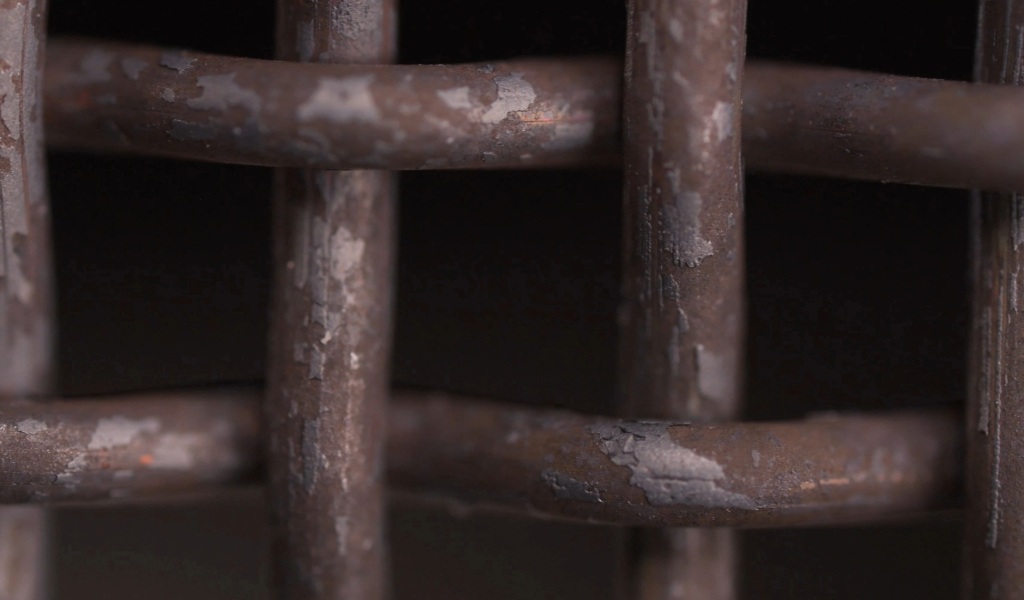
When aggressive halide vapors condense or react near the filtration boundary, they break down the protective passive oxide films that normally shield stainless steels from atmospheric corrosion. This breakdown initiates localized pitting, crevice corrosion, and rapid wall thinning, particularly along the contact points of woven wire mesh.
Furthermore, as abrasive titanium ore fines and dust accumulate on the filter surface, corrosive chemical residues become trapped within the particulate cake.
Looking for solutions for other major problems titanium dioxide professionals face? Read our article below to learn more about 7 of them and what you can do about it:
This trapped chemical concentration accelerates intergranular attack and halogen embrittlement, eventually altering the effective micron rating of the mesh.
If the alloy composition lacks sufficient resistance to dry chlorine gas and acidic halide byproducts at elevated temperatures, the wire strands lose their elastic recovery, preventing effective cake release during automated back-pulsing and locking the system into a high-resistance failure state.
Solutions for Aggressive TiO2 Operating Environments
Combating the destructive synergy of extreme heat and halogen corrosion requires moving beyond standard metallurgical grades to advanced high-nickel alloys such as Inconel and Hastelloy. These specialized alloys maintain their protective oxide layers and mechanical strength in harsh chloride environments at temperatures exceeding 1,000°C.
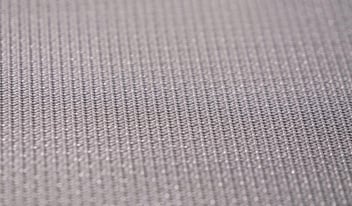
To maximize this metallurgical performance, HAVER & BOECKER engineers POROSTAR® filter candles using solid-state diffusion bonding, fusing multi-layer woven wire mesh into a rigid, monolithic element that withstands severe thermal shock and corrosive attack without structural delamination.

Furthermore, the unique construction of diffusion-bonded wire mesh establishes a true surface-filtration mechanism rather than a deep-bed entrapment matrix. Because sub-micron ore fines and dust are captured exclusively on the exterior boundary of the filter candle rather than migrating deep into internal pore channels, automated reverse pulse-jet cleaning can completely dislodge the accumulated dust cake.
This effortless release prevents progressive blinding, stabilizes baseline differential pressure over thousands of operating cycles, and ensures maximum pneumatic efficiency across the entire production campaign.
Protecting Your Filtration Assets with Wire Mesh
Managing the complex interactions between extreme thermal profiles and aggressive chemical exposure is a defining challenge in optimizing chloride-route titanium dioxide production loops.
By selecting filter media designed with advanced high-nickel metallurgy and robust diffusion-bonded construction, facility teams can successfully neutralize the primary drivers of corrosion, creep, and thermal fatigue.
HAVER & BOECKER works hand-in-hand with plant reliability engineers and maintenance directors to supply custom POROSTAR® filter candles tailored to the exact chemical and thermal realities of your processing environment. Backed by over 135 years of metallurgical and wire weaving expertise, HAVER & BOECKER delivers precision filtration solutions engineered to safeguard equipment integrity, minimize unscheduled downtime, and ensure long-term operational continuity.
Read our article below to gain more insight into how to optimize your titanium dioxide production process with POROSTAR®: